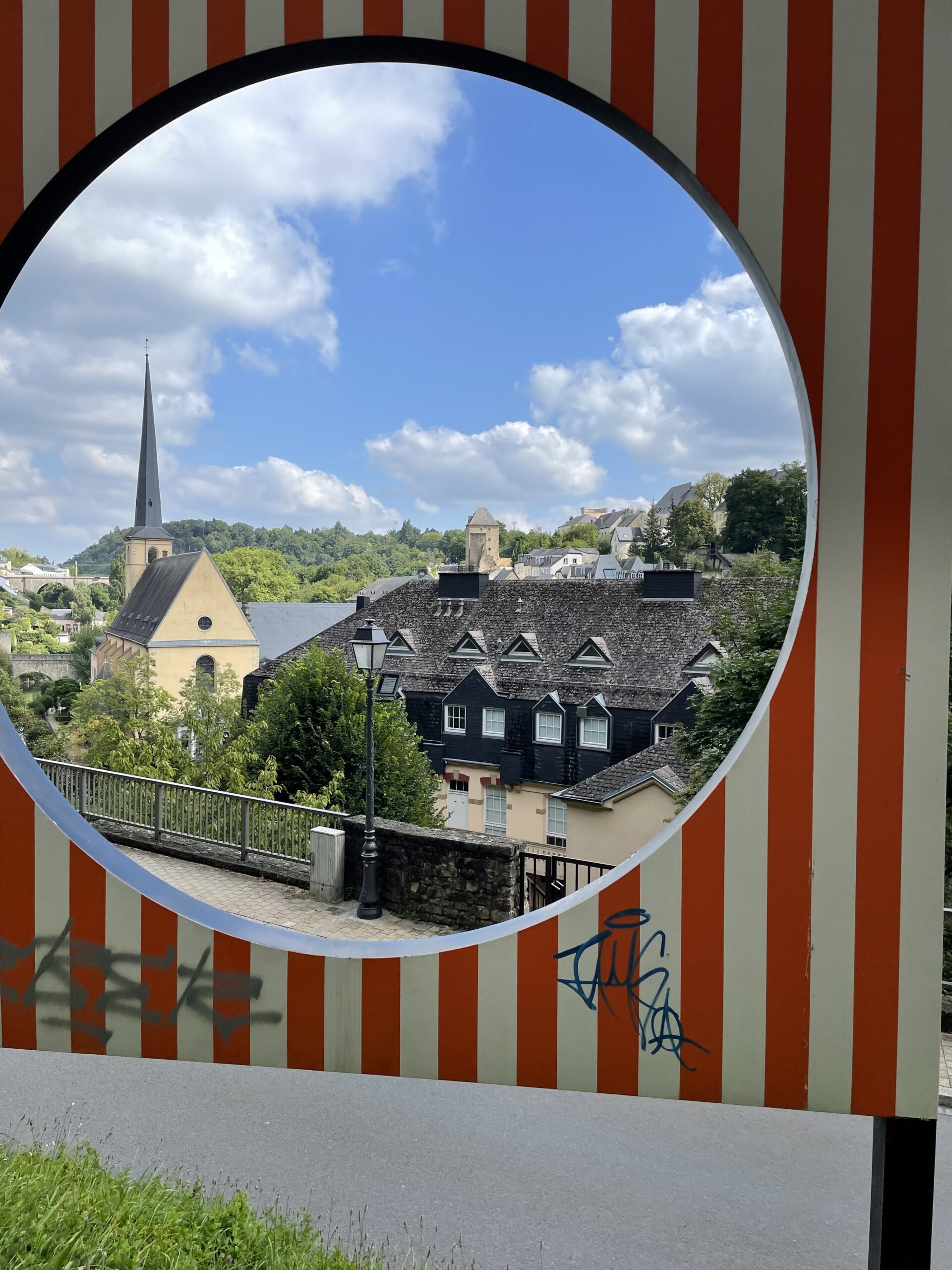
When you think of Luxembourg City, you might picture glass towers and European Union institutions, but this vibrant capital offers so much more than meets the eye. As an English-speaking expat, I have discovered that Luxembourg City represents one of Europe’s best-kept secrets—a multicultural haven where history meets modernity, and where nearly three-quarters of residents speak English in the business sector. Let me take you on a journey through the neighbourhoods that make this compact yet fascinating city an ideal home for international professionals and families alike.
A City of Remarkable Diversity
Luxembourg City stands as a testament to European cosmopolitanism at its finest. With a population of 136,208 inhabitants as of December 2025, this capital city comprises an astonishing 160 different nationalities. What makes it particularly welcoming for expats is that foreigners represent over 70 per cent of the city’s population, creating a truly international atmosphere where newcomers quickly feel at home. The city covers an area of just over 51 square kilometres, making it wonderfully compact and easy to navigate—yet within this manageable space lies a rich tapestry of distinct neighbourhoods, each with its own character and charm.
Discovering Luxembourg City’s Neighborhoods
The city is divided into 24 districts, locally called “quartiers,” offering diverse living experiences to suit different lifestyles and budgets. Let me guide you through some of the most appealing neighbourhoods for English-speaking expats.
Kirchberg: The European Quarter
If you work for an EU institution or in the financial sector, Kirchberg should be at the top of your list. This modern district houses major European Union institutions, multinational companies, and the Luxembourg Philharmonie. The architecture here is contemporary and impressive, with well-designed apartments, shopping centres, and excellent amenities. The neighbourhood attracts young professionals and families who appreciate being close to work and enjoy a cosmopolitan lifestyle. The presence of international schools and the European atmosphere make it particularly appealing for expat families.
Limpertsberg: Central and Convenient
Located north of the city centre, Limpertsberg strikes a beautiful balance between urban convenience and residential tranquillity. It is home to the Grand Théâtre de Luxembourg and benefits from excellent public transport connections. This neighbourhood is particularly popular with students, young professionals, and younger families who want to be close to the action without living in the busiest parts of town. The area exudes character and offers a mix of housing options from traditional apartments to more modern developments.
Belair: Prestigious and Peaceful
For those seeking a more upscale residential experience, Belair delivers spacious homes and abundant green spaces. This prestigious neighbourhood attracts families and established professionals looking for quality of life without sacrificing convenience. The tree-lined streets and proximity to parks make it ideal for those with children or anyone who values tranquillity alongside city living. Be prepared, however, as Belair commands some of the highest real estate prices in the city.
Bonnevoie: Affordable and Diverse
If you are looking for more affordable options without compromising on community feel, Bonnevoie offers an excellent alternative. This diverse neighbourhood, with approximately 15,000 residents, is the largest quartier in Luxembourg City. It features Parc Kaltreis, international schools, local markets, and regular community events. The area has a strong sense of community and attracts a multicultural mix of residents, making it particularly welcoming for newcomers. Public transportation links are excellent, with easy access to the bus hub.
Grund and Clausen: Historic Charm
For those enchanted by history and nightlife, the picturesque neighbourhoods of Grund and Clausen offer a unique appeal. Located along the Alzette River, these quarters feature charming cobblestone streets, restored historic buildings, and a vibrant social scene. Grund, in particular, offers stunning views of the city and feels like a village within the capital. These areas are favourites among young professionals and anyone who appreciates character-filled living spaces, though the popularity comes with premium prices and limited parking.
Gare: The Transit Hub
The Gare quarter, centered around Luxembourg’s central train station, represents the city’s busiest neighbourhood. While it offers slightly lower prices than other central areas and abundant corporate housing options, it is worth noting that the atmosphere can be quite hectic during the day, with many commuters passing through. The area suits singles and young couples who prioritise convenience and accessibility over residential tranquillity.
Gasperich: Modern Development
Gasperich represents Luxembourg’s urban future, undergoing rapid development with modern housing and the Cloche d’Or shopping and business district at its heart. This area appeals to professionals working nearby and those seeking newly built homes with contemporary facilities. It is an up-and-coming neighbourhood where you can witness the city’s evolution firsthand.
The Financial Reality: What Does It Cost?
Let’s address the elephant in the room: Luxembourg City ranks among Europe’s most expensive property markets. However, understanding the costs helps you plan effectively and appreciate the value proposition.
Rental Market
As of late 2025, rental prices in Luxembourg City average €34.73 per square meter per month, marking a 2.3 per cent increase from the previous year. Here is what you can expect:
For a one-bedroom apartment in the city centre, the budget is between €1,800 and €2,200 monthly. Outside the central areas, prices typically range from €1,200 to €1,600. A two-bedroom apartment (70-90 square meters) will cost you approximately €2,200 – €2,800 in the city centre, dropping to €1,800 – €2,400 in the suburbs. For families requiring a three-bedroom house, expect monthly rents between €2,500 and €4,000, depending on location and size.
Premium neighbourhoods like Pulvermühle command rates exceeding €51 per square meter, while more affordable districts such as Hamm average around €27.75 per square meter. Remember to factor in service charges, which typically add 15-25 per cent to your base rent.
Buying Property
If you are considering purchasing property, current prices in Luxembourg City average between €12,000 – €12,300 per square meter as of November 2025. The market has experienced a modest correction from its March 2024 peak of €12,630 per square meter, and recent European Central Bank interest rate cuts are improving financing conditions.
Prices vary significantly by neighbourhood. Belair commands premium prices between €14,200 – €14,400 per square meter (in early 2026), while areas like Pfaffenthal offer more accessible entry points at around €8,566 per square meter. The market shows signs of stabilisation after a correction period, with some experts predicting moderate price increases through 2026 as financing conditions continue to improve.
Why Luxembourg City Works for English Speakers
One of the greatest advantages of living in Luxembourg City as an English-speaking expat is the linguistic environment. While Luxembourg has three official languages—Luxembourgish, French, and German—English is widely spoken, particularly in business, finance, and EU institutions. The international community is so well-established that you can comfortably handle daily life in English, though learning some French or German certainly enhances your experience and integration.
The city’s compact size means shorter commutes and more time for life outside work. You can walk across the historic center in 20 minutes, and the excellent public transport system—completely free throughout Luxembourg—makes car ownership optional. The tram network connects major districts, while buses serve every corner of the city.
Living in Luxembourg City: Daily Life and Leisure
Free Time and Entertainment
Despite its business-focused reputation, Luxembourg City offers abundant opportunities for leisure and culture. The UNESCO World Heritage-listed Old Town, with its medieval fortifications and stunning architecture, provides endless exploration opportunities. The Chemin de la Corniche, known as “Europe’s most beautiful balcony,” offers breathtaking views of the Alzette valley and lower city.
Cultural enthusiasts will appreciate the numerous museums, many offering free admission on certain days or times. The Museum of Modern Art (MUDAM), the National Museum of History and Art, and the Casino Luxembourg contemporary art forum provide world-class cultural experiences. The city hosts four Michelin-starred restaurants for food lovers, alongside countless international dining options reflecting its multicultural population.
Green spaces abound throughout the city, with parks comprising nearly a quarter of Luxembourg City’s total area. The City Park, Kinnekswiss, and Parc de Merl offer perfect spots for relaxation, jogging, or family picnics. The Pfaffenthal panoramic lift provides spectacular free views of the city, while the Bock Casemates offer fascinating underground exploration of the fortress’s historic defensive tunnels.
Throughout the year, Luxembourg City hosts numerous festivals and events. The Schueberfouer, one of Europe’s largest funfairs with over 600 years of history, takes place every August. The Winterlights Festival transforms the city into an illuminated wonderland during the Christmas season, while the National Day on June 23rd features parades, concerts, and fireworks.
Sports and Outdoor Activities
The city’s extensive network of cycling paths and walking trails makes it easy to maintain an active lifestyle. The Wenzel Circular Walk takes you through centuries of history alongside UNESCO-listed fortifications. Nature parks within and around the city provide opportunities for hiking, mountain biking, and simply enjoying Luxembourg’s beautiful natural landscapes.
Modern sports facilities, including swimming pools, tennis courts, and sports complexes, are well-maintained and accessible. The country’s first-rate healthcare system ensures peace of mind for active individuals and families alike.
Practical Considerations
Getting Around
Luxembourg’s free public transportation system represents one of the city’s greatest assets for residents. Trains, trams, and buses operate throughout the city and beyond, eliminating transportation costs and reducing environmental impact. The tram network continues expanding, making travel within the city increasingly convenient. For those who prefer cycling, dedicated bike lanes and a growing network of cycling infrastructure make two-wheeled commuting safe and practical.
Education
International families will find excellent educational options, including several international schools. The European School has campuses in Kirchberg and nearby Mamer, while the International School of Luxembourg in Hollerich offers education in English. Ecole Internationale Gaston Thorn has different campuses and offers 3 language sections: French, German and English. British families can consider St. George’s International School in Hamm or Lycée International School Michel Lucius in Limpertsberg. These schools follow international curricula and ease the transition for expat children.
Healthcare
Luxembourg boasts a comprehensive healthcare system with exceptional coverage and quality medical services. The system is accessible to residents and provides peace of mind for families and individuals alike.
Leadership and Governance
Luxembourg City is governed by a mayor and a college of aldermen, forming the executive and administrative body. As of 2025, Lydie Polfer serves as mayor, leading a coalition that includes aldermen from both the Democratic Party (DP) and Christian Social People’s Party (CSV). The municipal council comprises 27 elected members who deliberate on matters affecting the city and its residents. This stable political environment contributes to effective governance and long-term urban planning that benefits residents.
Making the Move
While Luxembourg City’s high cost of living cannot be ignored, it is important to consider the complete picture. Salaries in Luxembourg are among Europe’s highest, with the average annual full-time salary reaching €75,919 in 2025. The country’s favourable tax system, particularly for higher earners, helps offset housing costs. Additionally, the quality of life, safety, political stability, and career opportunities often justify the premium prices.
The city’s international character means you will not struggle with integration. English-speaking expat groups, international meet-ups, and the inherently multicultural nature of daily life make building a social network relatively straightforward. The small size of both the city and country means you are never far from anything—whether it is work, cultural activities, or weekend escapes to France, Germany, or Belgium, all within easy reach.
Final Thoughts
Luxembourg City may be small in size, but it offers everything an English-speaking expat could desire: a thriving international community, excellent career opportunities, outstanding quality of life, rich culture and history, and convenient access to the rest of Europe. The diverse neighbourhoods cater to different preferences and budgets, though be prepared for premium prices across the board.
For professionals seeking a cosmopolitan environment with European flair, families wanting excellent schools and safe streets, or anyone looking to immerse themselves in a truly multicultural society, Luxembourg City delivers. Yes, you will pay more for the privilege of calling this city home, but the combination of professional opportunities, quality of life, and unique character makes it a compelling choice for expats seeking their next European adventure.
The question is not whether Luxembourg City is expensive—it undeniably is. The real question is whether the lifestyle, opportunities, and experience it offers are worth the investment. For many English-speaking expats, the answer is an enthusiastic yes. Perhaps it is time to Zoom In on Luxembourg City and discover if it is the right home for your next chapter.
Comments are closed