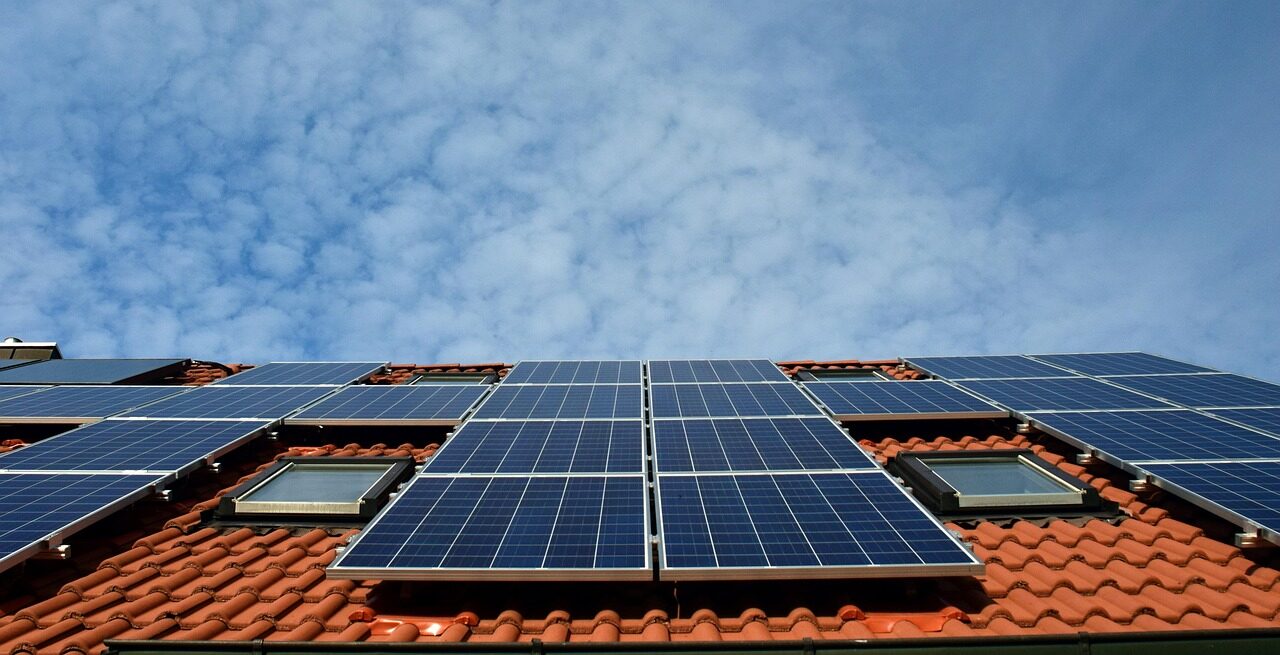
The energy transition is no longer a distant objective — it is a practical opportunity for homeowners in Luxembourg today. As energy costs rise and public policy increasingly favours sustainability, installing solar energy systems has become one of the most strategic upgrades for property owners. But beyond environmental benefits, the Luxembourg state — through Klima-Agence and allied programmes — offers substantial financial support to make solar installations more affordable. Even more, solar panels can significantly increase your property’s market value and appeal.
This guide explores:
- The main financial aid programmes available for solar energy,
- How they work and what they cover,
- How solar installations impact property value,
- Practical tips for homeowners planning a solar renovation.
Why Solar Energy Matters for Your Property
Solar photovoltaic (PV) systems convert sunlight into electricity. In Luxembourg — where national climate targets aim for a dramatic shift toward renewables — solar energy not only helps reduce household electricity costs but also future-proofs your home against energy price volatility.
According to government policy, clean energy adoption by private households is a central pillar of the nation’s decarbonisation agenda, intended to help reach roughly 25% clean energy by 2030 and even further goals beyond that.
But solar installation is still a significant investment. Without support, the upfront costs for panels, inverters, and professional installation can be daunting. That’s where financial aid and incentives step in — turning solar upgrades from a cost burden into a smart investment.
Understanding Financial Aid for Solar in Luxembourg
Klimabonus — Core Government Support
The main state aid programme for renewable energy installations, including solar, in Luxembourg is known as Klimabonus. This scheme subsidises energy efficiency renovations and renewable energy investments, with specific provisions for photovoltaic systems on residential buildings.
Basic Photovoltaic Support
Under Klimabonus, the government subsidises a portion of the cost of solar PV systems. The amount depends on the type of installation and how the electricity produced is used:
- Up to 50% of actual costs covered if the system is used for self-consumption or as part of an energy community (electricity produced is primarily for the household’s own use).
- A higher bonus — 62.5% of actual costs — is applied for certain installations if ordered within qualifying transitional periods and invoiced by the end of 2026.
- For installations feeding electricity directly into the grid under a guaranteed tariff, the subsidy is lower — typically around 20% of actual costs up to a fixed maximum per kilowatt peak (kWp) of installed capacity.
- For residential projects, this means significant state support that can represent tens of thousands of euros off the initial investment for solar panels.
Important: Aid rates and maximum subsidy values can change with new regulations and budget cycles. Always confirm current conditions on the official Klima-Agence site.
New Pre-Financing Option (2026 Onwards)
One of the most promising recent developments is the introduction of pre-financing for photovoltaic subsidies that became effective at the start of 2026. Under this mechanism, installers can deduct the approved subsidy directly from your invoice at the time of installation — meaning you no longer have to pay the full amount upfront and wait for reimbursement.
Pre-financing removes a major barrier for many households: cash flow. This makes solar a much more accessible option for a broader range of owners and co-owners.
Currently, pre-financing applies initially to:
- Solar photovoltaic systems,
- Optional domestic battery installations to store solar energy.
This new facility dramatically simplifies the financial planning of solar projects and accelerates the return on investment.
Additional Support
Aside from the core state incentives, other forms of financial assistance can be combined with Klimabonus:
Municipal Grants:
- Some communes in Luxembourg offer additional local subsidies on top of national aid. These vary from one area to another and can substantially boost total support.
- Energy Supplier and Private Support: Energy companies and private programmes may also offer bonuses or rebates, encouraging renewable investment.
- Tax and VAT Benefits: In many cases, solar installations can benefit from a super-reduced VAT rate of 3% when installed on residential properties, further lowering costs.
How to Apply for Solar Aid
Applying for financial aid involves a few key steps:
- Choose a certified energy consultant and installer.
- The project typically needs a professional assessment and certified documentation before subsidy approval.
- Place installation orders and obtain invoices.
- Keep all documentation — contracts, invoices, technical specs — as they are required for the application.
- Submit your application.
- Applications are usually filed through MyGuichet.lu or via paper submissions to the Single Point of Contact for housing assistance.
- Install and verify compliance.
- After installation, your energy consultant and installer confirm completion to proceed with subsidies.
- Receive the subsidy or pre-financing deduction.
- If pre-financing is used, it’s applied to the invoice. If not, reimbursement comes after processing the application — though current wait times can be lengthy depending on administrative load.
Financial Example: What You Could Save
To illustrate, let’s consider a hypothetical scenario:
You install a 6 kWp solar PV system on your home.
If eligible for self-consumption aid at 50% of costs, and assuming a market average installation cost (e.g., €1,800–€2,500 per kWp), the state could cover a significant portion of your investment.
Municipal supplements and VAT reductions can further increase your net savings.
With roofs capable of larger capacities, total aid can be substantial, reducing payback periods and improving long-term financial returns.
Example 1: Single-Family Home with Solar Panels
A homeowner in southern Luxembourg installs a 6 kWp photovoltaic system for self-consumption on a detached house. Thanks to the Klimabonus aid and reduced VAT, nearly half of the installation cost is covered. Monthly electricity bills drop significantly, and when the property is later valued for sale, the solar installation is highlighted as a key asset supporting a higher asking price.
Example 2: Renovated Property with Solar and Battery Storage
As part of a renovation project, a property owner adds solar panels combined with a domestic battery system. Public financial aid and pre-financing reduce the upfront investment. The improved energy performance and lower running costs increase buyer interest, helping the property stand out on the market and sell faster compared to similar homes without renewable energy upgrades.
Solar + Battery: A Strategic Pairing
Installing a domestic battery alongside your solar system not only helps maximise self-consumption but is increasingly recognised by aid programmes as part of a comprehensive energy solution. Batteries allow you to store daytime solar production and use it after sunset, reducing reliance on grid electricity and cutting costs further.
Pre-financing schemes now explicitly include options for domestic battery storage, reinforcing the combined economic and energy benefits of an integrated solar setup.
Solar Energy and Property Value
Solar installations do more than just cut electricity bills — they also enhance the overall market value and appeal of your property.
Here’s how:
Lower Running Costs
Homes with solar panels typically attract buyers because they promise lower future energy expenditure. As electricity costs trend upward, buyers place a premium on homes with renewable systems installed.
Energy Efficiency Ratings
Properties with certified energy-saving upgrades — including solar — often receive higher energy performance scores, which are increasingly factored into valuations by real estate professionals.
Market Demand Trends
Sustainability has become a decisive factor for many buyers and investors. Real estate listings that highlight solar installations and energy autonomy frequently command higher interest and faster sales.
A 2025 study in neighboring markets found that homes with solar systems often sell for more than comparable properties without them, reflecting buyer willingness to pay for long-term cost savings and environmental performance. While specific Luxembourg market studies are still emerging, similar trends are observable here — especially as renewable adoption accelerates nationally.
Practical Advice for Homeowners
If you’re considering solar energy for your home, here are practical tips to make the most of available aid and enhance your investment:
📌 Check Eligibility Early
Start talking with a certified energy consultant before signing installation contracts. Some subsidy conditions require pre-approval or documentation prepared in advance.
📌 Time Your Order
Government aid levels and bonus periods change over time. Placing orders within key windows — such as periods with enhanced bonuses — can maximise your subsidy.
📌 Explore Municipal Grants
Contact your local commune to see if additional financial support is available; this can often be stacked with national aid for greater impact.
📌 Consider Batteries
Solar + battery setups boost self-consumption and can attract additional aid or cost savings.
📌 Factor in Property Value
When renovating, include solar costs and savings in both running expense calculations and property valuation expectations.
Conclusion: Solar Is Both a Green and Smart Financial Move
Solar energy installation in Luxembourg is no longer just an environmental choice — for many homeowners, it’s a strategic financial decision.
Between comprehensive government support through Klimabonus and allied financial aid programmes, tax incentives, and the new pre-financing mechanisms, solar panels can now be installed with significantly reduced upfront costs.
On top of this, properties equipped with solar systems are more attractive to buyers and often command higher valuations due to lower running costs and strong sustainability credentials.
For property owners planning upgrades or renovations, investing in solar energy is an opportunity to cut energy bills, leverage substantial public support, and increase property appeal — all while contributing to Luxembourg’s climate goals.
Comments are closed